
Floating Stairs vs Traditional Stairs: Cost & Value
Floating stairs make a dramatic statement, but they cost more than traditional stairs. Here's how they compare on price, structure and value.
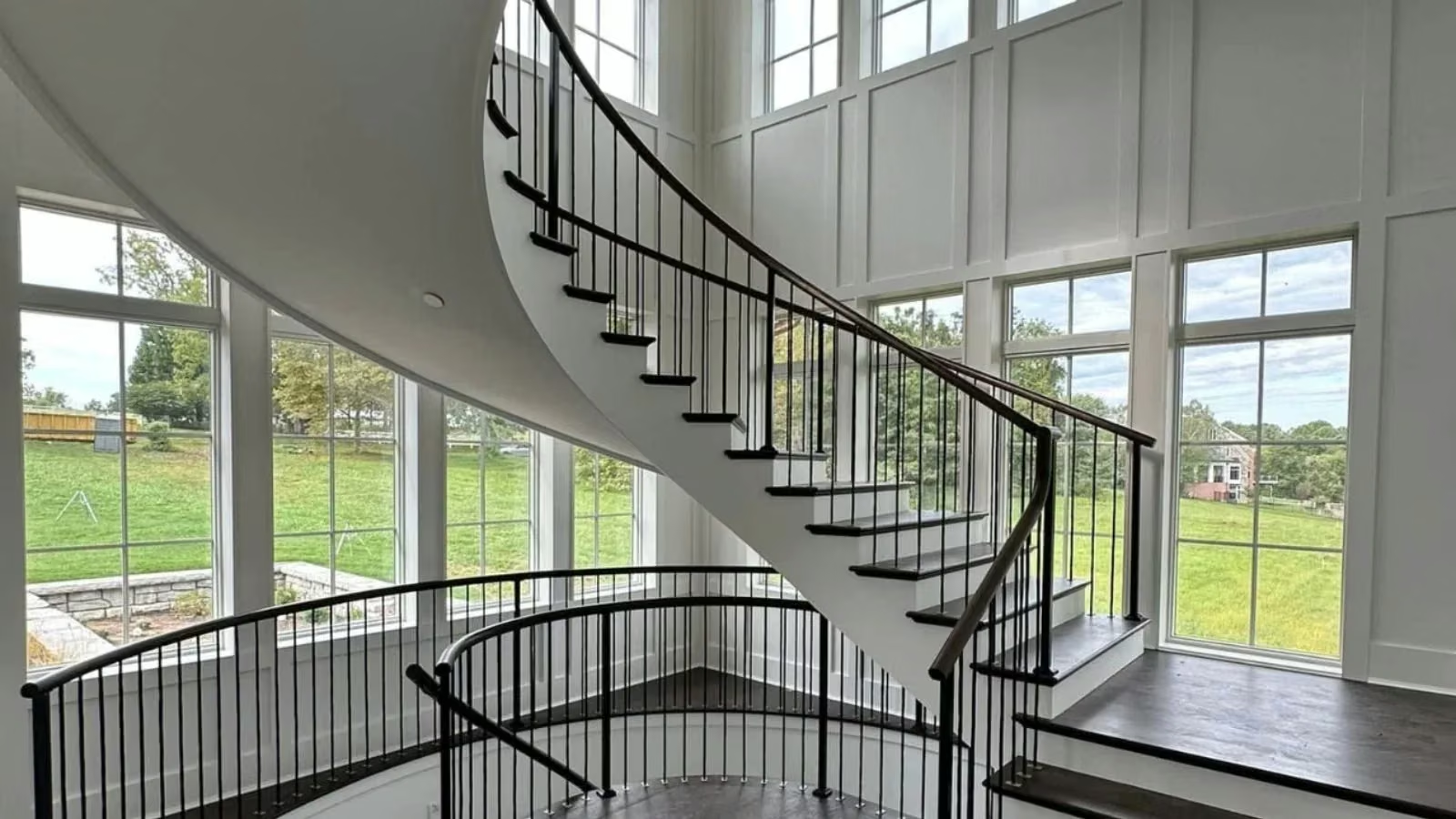
Quick Answer: Floating stairs cost $15,000–$60,000+ in the Dallas-Fort Worth area — roughly 70–90% more than a traditional staircase build, which runs $8,000–$35,000+. That higher price buys a modern architectural statement that can lift perceived home value and attract buyers. If your budget allows and your home has a contemporary design, floating stairs often justify the premium. If you want durability, lower cost, and timeless appeal, traditional stairs remain a proven choice.

When considering the design of your home, the choice between floating stairs and traditional stairs can significantly impact both aesthetics and functionality. Floating stairs, known for their modern appeal, create an illusion of space and light, while traditional stairs offer a classic look that many homeowners appreciate. This article will explore the costs, values, and considerations for choosing between these two stair types, specifically for homeowners in the Dallas-Fort Worth area. By understanding the unique benefits and potential drawbacks of each option, you can make an informed decision that enhances your home’s design and value.
How Much Do Floating vs Traditional Stairs Cost in DFW?
The cost of floating stairs typically ranges from $15,000 to $60,000+ for standard residential projects, making them a significant investment. In contrast, a traditional staircase build is generally more affordable, running $8,000–$35,000+. This stark difference in pricing is influenced by various factors, including materials, design complexity, and installation requirements.
| Stair Type | Cost Range | Factors Affecting Cost |
|---|---|---|
| Floating Stairs | $15,000 – $60,000+ | Materials, design complexity, engineering, installation |
| Traditional Stairs | $8,000 – $35,000+ | Wood type, design detail, local DFW labor rates |
Understanding these costs is crucial for homeowners in DFW, as it allows for better budgeting and planning for renovations or new constructions.
Which Staircase Type Adds More Value to Your Home?

Floating stairs often serve as architectural statements that enhance modern design, adding a unique flair to any home. They can significantly increase the perceived value of a property, especially in contemporary settings. Traditional stairs, while less visually striking, can still add value through quality materials and craftsmanship, appealing to buyers who prefer classic aesthetics.
How Do You Choose Between Floating and Traditional Stairs?
When deciding between floating and traditional stairs, several factors should be considered to ensure the best fit for your home.
What Design Aesthetic Works Best for Your Space?
Floating stairs offer a modern appeal that can transform a space, making it feel more open and airy. Their minimalist design often complements contemporary interiors, while traditional stairs provide a classic look that can enhance the charm of older homes. Homeowners should consider their overall design vision when making this choice.
How Does Each Stair Type Affect Space and Functionality?
Floating stairs can create an open feel, making them ideal for smaller spaces where maximizing light and sightlines is essential. Traditional stairs, however, may take up more space and can be less flexible in design. Evaluating the layout of your home will help determine which stair type best suits your needs. For more ideas on maximizing your layout, see our guide on smart staircase solutions for small living spaces.
What Does Installation and Engineering Involve?
The installation of floating stairs requires careful engineering to ensure safety and stability, often involving specialized contractors. Traditional stairs are generally simpler to install, making them a more straightforward option for many homeowners. Understanding the installation process and potential challenges is vital for making an informed decision.
What Customization Options Are Available?
Both floating and traditional stairs offer customization options, but they differ in materials and design flexibility. Floating stairs can be made from modern materials like glass and metal, while traditional stairs can be customized with various wood types and finishes. Homeowners should consider their preferences and the overall style of their home when choosing materials. Explore our complete guide to staircase remodeling to see the full range of design possibilities.
📞 Ready to Compare Your Options? FJR Stair and Door helps Dallas-Fort Worth homeowners choose between floating and traditional staircases with free consultations and custom design quotes. Call us at +1 (945) 318-9488 or visit fjrstairanddoor.com to get started.
How Do Floating and Traditional Stairs Compare in Cost for Dallas-Fort Worth Homeowners?
For Dallas-Fort Worth homeowners, the cost comparison between floating and traditional stairs is significant. Floating stairs typically cost $15,000–$60,000+, while traditional stairs run $8,000–$35,000+, depending on the materials and design. This difference highlights the importance of budget considerations when planning a renovation or new build. For a deeper breakdown of 2026 pricing, see our detailed staircase cost guide.
What Factors Influence Floating Staircase Cost in DFW?

Several factors influence the cost of floating stairs in the DFW area, including:
- Material Choices: The type of materials used — wood, glass, steel, or concrete — can significantly affect the overall cost.
- Design Complexity: More intricate designs will typically require more labor and higher costs.
- Structural Engineering: Floating stairs require a steel stringer system and licensed engineer sign-off, adding to project cost.
- Installation Labor: The need for specialized installation can add to the expense.
- Regional Market Trends: Local DFW demand and supply can also impact pricing.
When undertaking such a project, understanding the nuances of floating staircase cost is key to accurate budgeting. Our custom floating stairs design and costs page covers material specs in detail.
How Does Traditional Staircase Price Vary for Texas Homes?
The price of traditional stairs in Texas can vary widely based on several factors, including the type of wood used, the complexity of the design, and local labor costs. A traditional wooden staircase starts around $8,000, while more elaborate designs can reach $35,000 or more. Hardwoods like oak and maple command a premium over pine or engineered wood, and ornate balusters or carved railings will push costs toward the higher end of the range.
What Design and Aesthetic Benefits Do Floating Stairs Offer Over Traditional Stairs in Modern DFW Homes?
Floating stairs provide several design and aesthetic benefits, including:
- Space Efficiency: Their open design can make spaces feel larger and more inviting.
- Light Enhancement: Floating stairs allow for more natural light to flow through a home.
- Contemporary Style: They align well with modern design trends, appealing to contemporary homeowners.
- Customizability: Floating stairs can be tailored with various materials and finishes to match personal style.
These benefits contribute to a home’s overall appeal, especially when considering a modern aesthetic.
Why Are Homeowners in Dallas-Fort Worth Choosing Modern Stair Design?
Modern stair designs, such as floating stairs, are increasingly popular in Dallas-Fort Worth due to their aesthetic appeal and ability to enhance property value. Homeowners are drawn to the sleek, contemporary look that these designs offer, making them a desirable feature in new builds and renovations across Plano, Frisco, Fort Worth, and Arlington.
How Do Floating Stairs Enhance Home Value and Style?
Floating stairs can significantly enhance both the style and value of a home. Their unique design often serves as a focal point, attracting potential buyers and increasing the overall appeal of the property. Additionally, modern stair designs can contribute to a higher resale value, making them a worthwhile investment for homeowners. When paired with quality railings and entryway upgrades, the impact is even greater — see our stair remodeling, railings, and entryway upgrades guide for inspiration.
What Should DFW Homeowners Know About Staircase Installation and Safety?
Homeowners should be aware of the different installation requirements and safety considerations for both stair types. Floating stairs require careful engineering to meet safety standards, while traditional stairs must comply with local building codes. Understanding these requirements is essential for ensuring a safe and compliant installation. The 2021 International Residential Code (IRC) Section R311.7.6 sets specific standards for stair landings that apply to both designs in Texas.
What Are the Installation Timelines and Processes for Custom Stairs in Dallas?
The installation timeline for custom stairs can vary based on the type chosen. Traditional stairs typically have a shorter installation process — often 1–3 days for prefabricated styles — while floating stairs may require 1–3 weeks from fabrication to installation due to their engineering needs. Homeowners should consult with contractors early to get accurate timelines based on their specific projects. Read our guide on choosing the right staircase remodeling contractor for questions to ask before signing a contract.
How Do Texas Building Codes Affect Floating and Traditional Stair Safety?
Texas building codes dictate specific safety requirements for both floating and traditional stairs, including regulations on riser height and tread depth. The City of Dallas and City of Fort Worth both require residential stair permits for new construction and significant remodels. Homeowners should familiarize themselves with these codes to ensure their stair designs are compliant and safe for use. Working with a licensed contractor who pulls the proper permits is the safest approach.
Where Can Dallas-Fort Worth Residents Find Expert Custom Stair Builders?
Dallas-Fort Worth residents looking for expert custom stair builders can consider FJR Stair and Door, a specialized provider of custom stair and door solutions. They offer a range of services tailored to meet the unique needs of homeowners in the area.
- Company: FJR Stair and Door
- Address: 10689 Rose Garden Ct, McKinney, TX 75072
- Phone: +1 (945) 318-9488
- Email: info@fjrstairanddoor.com
When selecting a builder, it’s important to look for expertise in both floating stairs and traditional designs. Review our guide to finding the best stair railing installers for additional vetting tips.
What Makes FJR Stair and Door a Trusted Custom Stair Builder in Texas?
FJR Stair and Door is recognized for its experience and expertise in the custom stair industry. They prioritize quality materials and exceptional customer service, making them a trusted choice for homeowners in Texas seeking custom stair solutions. With services across Dallas, Fort Worth, Plano, Frisco, and Arlington, FJR brings precision craftsmanship to both floating and traditional staircase projects.
TL;DR — Floating vs Traditional Stairs at a Glance
- Floating stairs cost $15,000–$60,000+; traditional stairs cost $8,000–$35,000+ in the DFW area.
- Floating stairs boost modern home appeal and resale value but require structural engineering.
- Traditional stairs are faster to install, easier to maintain, and more budget-friendly.
- Texas building codes (IRC R311.7.6) apply to both types — always use a permitted contractor.
- Design customization is available for both — glass and steel for floating; oak, maple, and iron for traditional.
- Next step: Contact FJR Stair and Door at +1 (945) 318-9488 for a free design consultation in Dallas-Fort Worth.
Get a Free Staircase Design Quote in Dallas-Fort Worth
Choosing between floating stairs and traditional stairs in your DFW home doesn’t have to be complicated. Floating stairs bring a contemporary elegance that enhances aesthetic appeal and can significantly increase your home’s value. Traditional stairs offer proven durability and timeless style at a more accessible price point. Understanding costs and installation nuances ensures that you make an informed choice that aligns with your vision and budget. Contact FJR Stair and Door today for a free, no-obligation quote on custom floating or traditional staircases in Dallas-Fort Worth.
About FJR Stair and Door: FJR Stair and Door is a McKinney, TX-based custom staircase and door specialist serving the entire Dallas-Fort Worth metroplex, including Dallas, Fort Worth, Plano, Frisco, and Arlington. The team specializes in custom floating staircases, traditional stair remodeling, iron entry doors, and interior trim. Reach us at +1 (945) 318-9488 or info@fjrstairanddoor.com.
Frequently Asked Questions
How much do floating stairs cost compared to traditional stairs in DFW?+
Floating stairs in the Dallas-Fort Worth area typically cost $15,000–$60,000+ for standard residential projects. Traditional wooden stairs run $8,000–$35,000+ depending on wood type, design complexity, and local labor costs. The price gap reflects the engineering, materials, and specialized installation that floating stairs require.
Do floating stairs add resale value to a DFW home?+
Yes. Floating stairs serve as a design focal point that attracts buyers and increases perceived property value, particularly in modern or contemporary homes. They are especially impactful in the Dallas-Fort Worth luxury market where architectural details drive buyer interest.
What factors drive up the cost of floating stairs in Texas?+
The main cost drivers are material choice (glass, steel, or hardwood), design complexity, the need for a licensed structural engineer, and specialized installation labor. Regional demand and supply in the DFW market also influence pricing.
Are floating stairs safe to install in DFW homes?+
Yes, when properly engineered and installed. Texas building codes and the IRC require specific riser heights, tread depths, and railing standards for all staircases. Floating stairs should always be designed by a qualified contractor who ensures compliance with local and state codes.
Can traditional stairs be upgraded to look more modern?+
Absolutely. Traditional stairs can be remodeled with iron balusters, cable railings, open-riser treads, and quality hardwood finishes to achieve a contemporary look at a fraction of the cost of a full floating staircase installation. See our stair railing repair vs. replace guide for upgrade options.
Related content
More resources for DFW homeowners
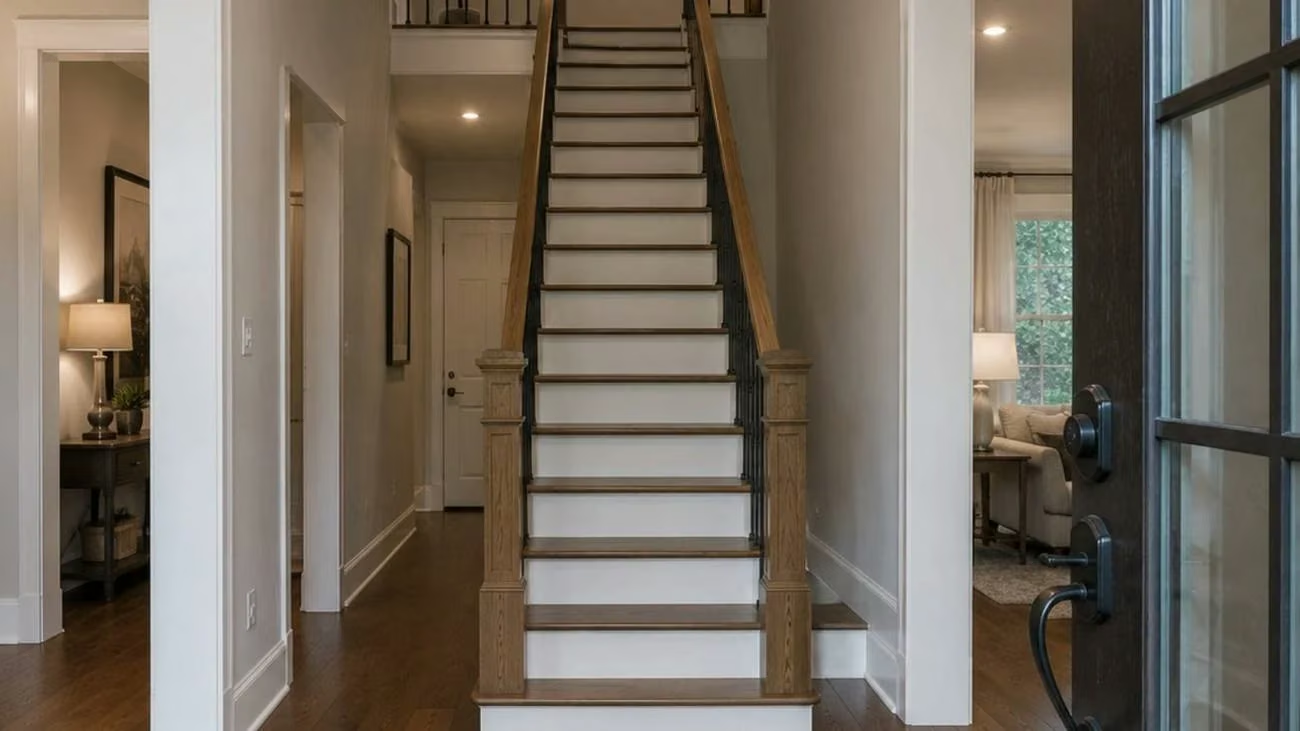 ServiceCustom Floating Stairs — Design & Costs
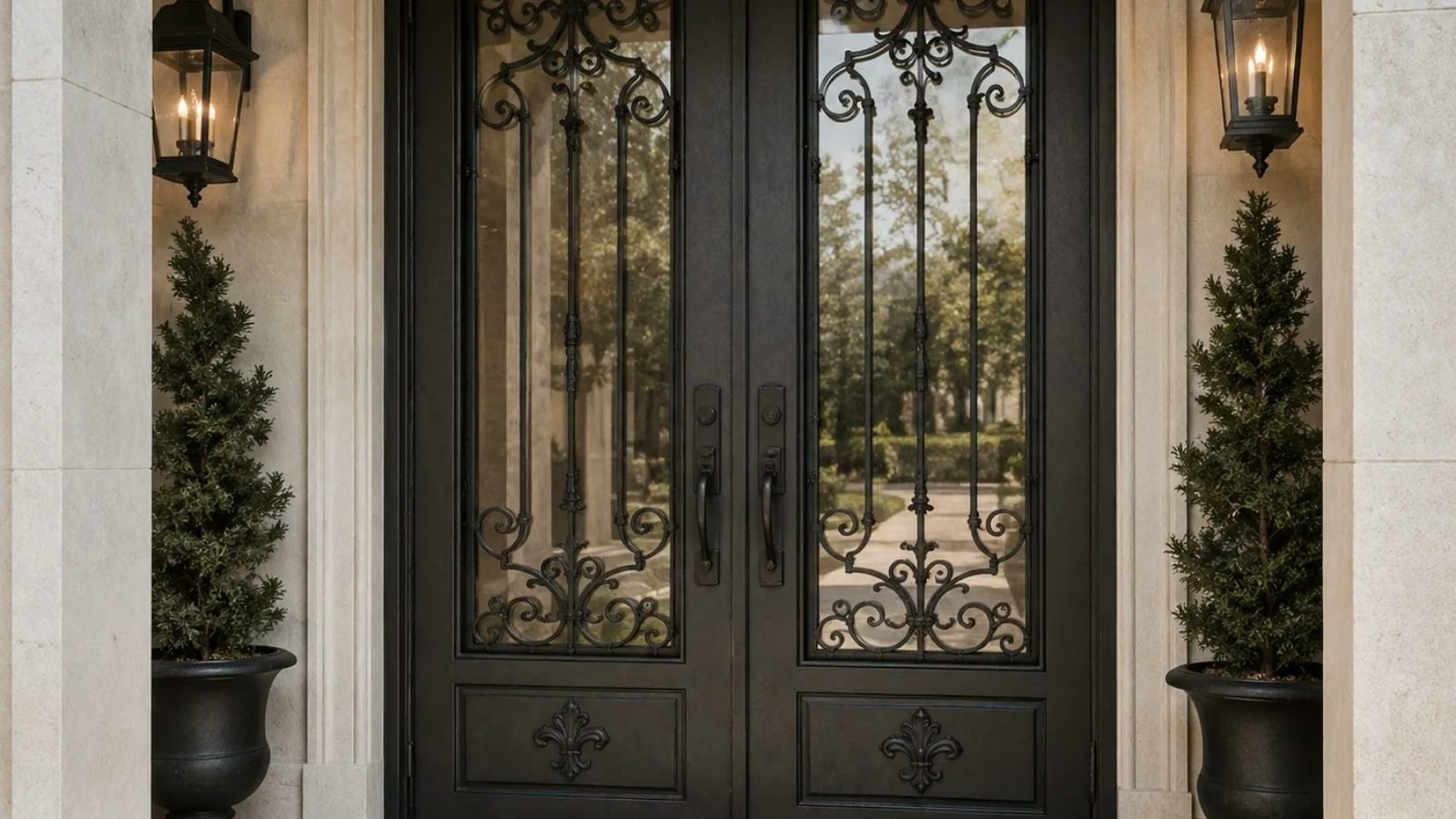 Service AreaStairs & Doors Service Area — Fort Worth, TX
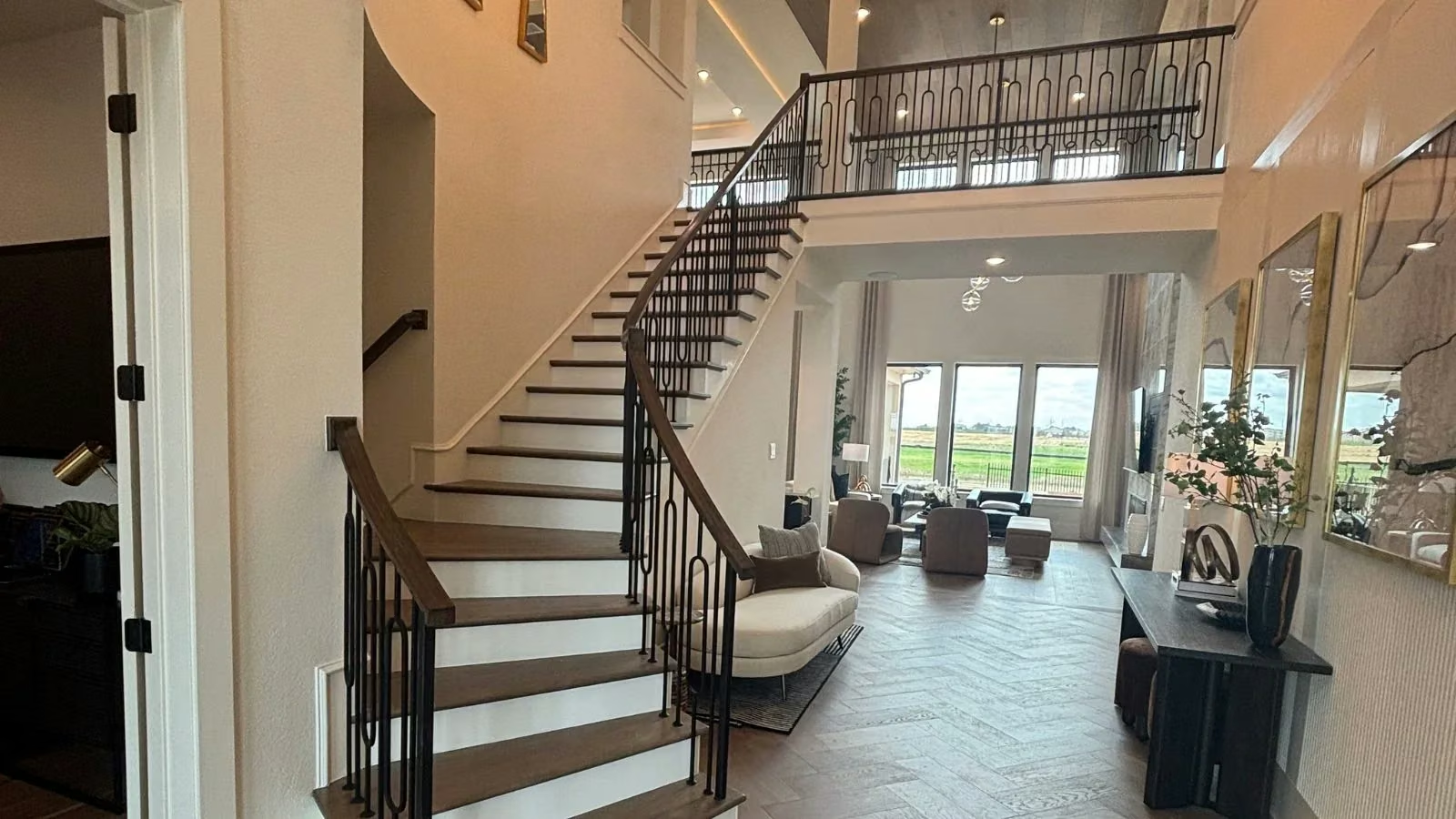 GuideStaircase Cost 2026 — Materials, Design & Installation
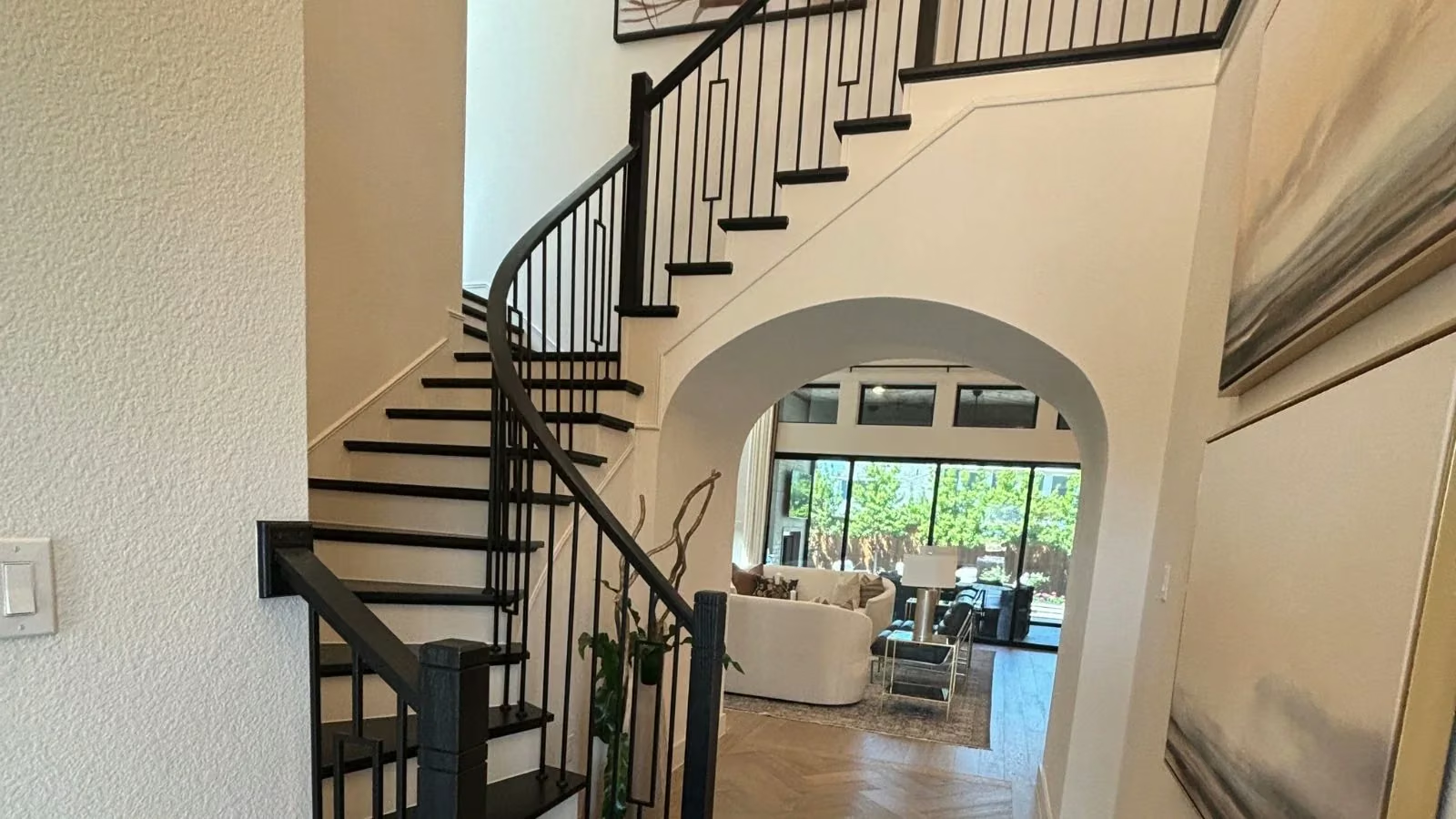 GuideComplete Guide to Staircase Remodeling
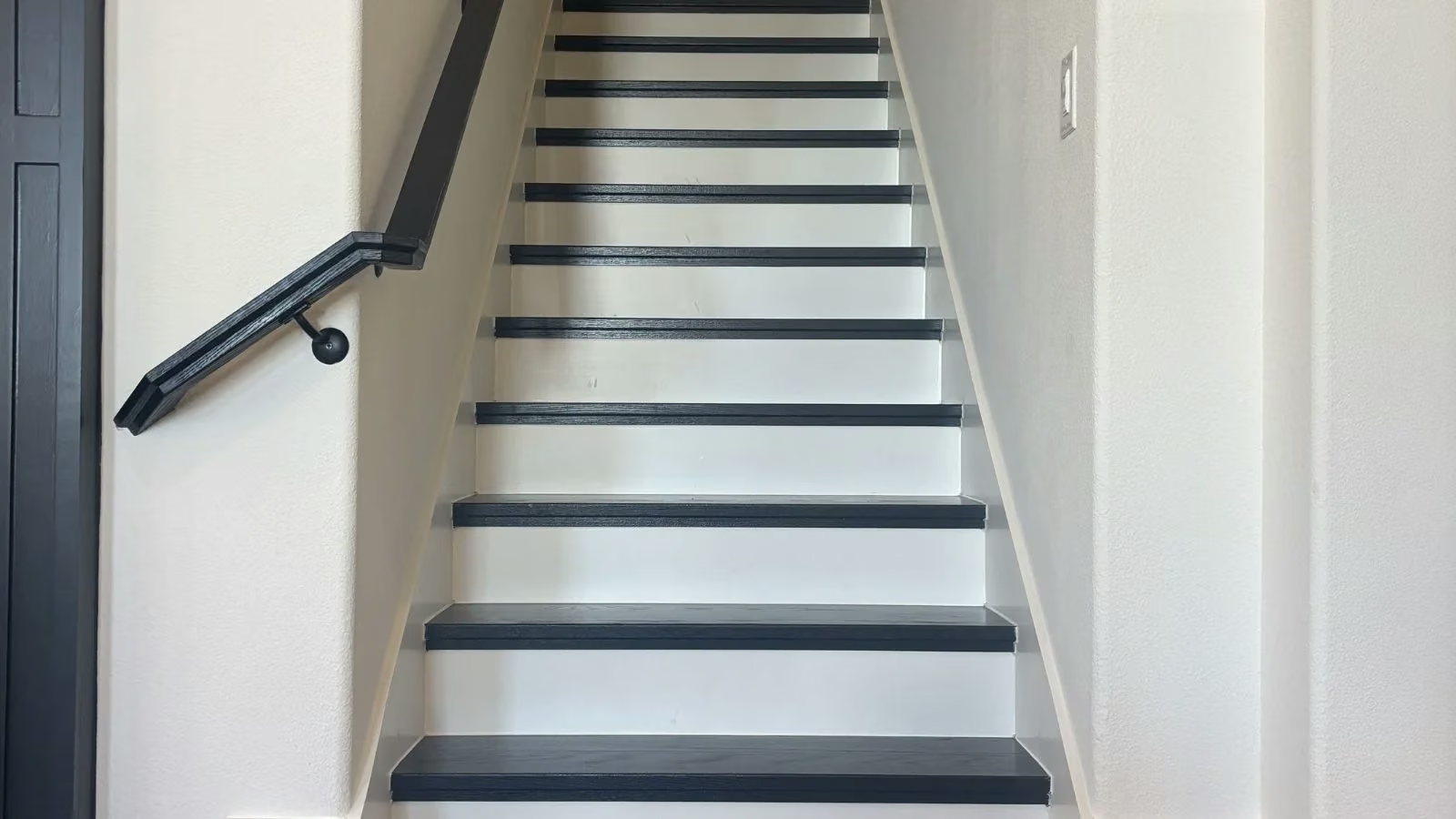 GuideHow to Choose the Perfect Material for Custom Stair Installation
 GuideSpiral Staircase Remodeling — Ideas & Costs in Texas
Get a Free Stair Design Quote
Free in-home estimate. Veteran-owned. Serving all of Dallas–Fort Worth.