
Signs Your Staircase Needs Remodeling (Not Just Repair)
Not every staircase problem is a quick fix. Here are five signs your stairs need a full remodel rather than a patch — and how to tell the difference.
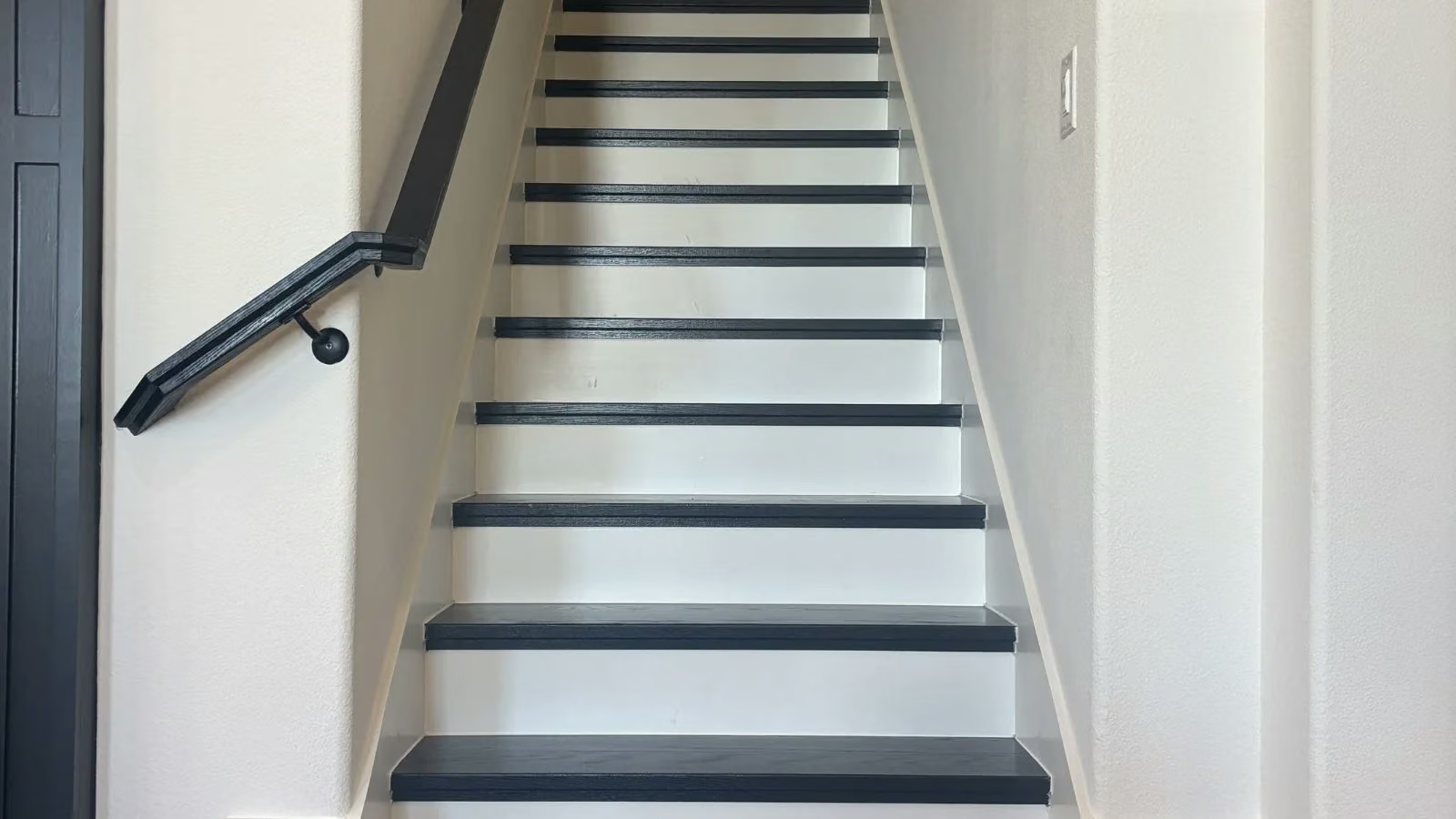
Quick Answer: Your staircase needs remodeling — not just repair — when it has structural damage (cracked stringers, soft or rotted wood), active code violations, or problems that keep coming back no matter how many times they’re patched. Cosmetic fixes like re-tightening a loose screw or refinishing worn treads are repairs. Replacing structural components, correcting unsafe dimensions, or rebuilding the railing system are remodels. When in doubt, have a professional assess the stringers and underlying framing — the structure beneath the surface tells the real story.
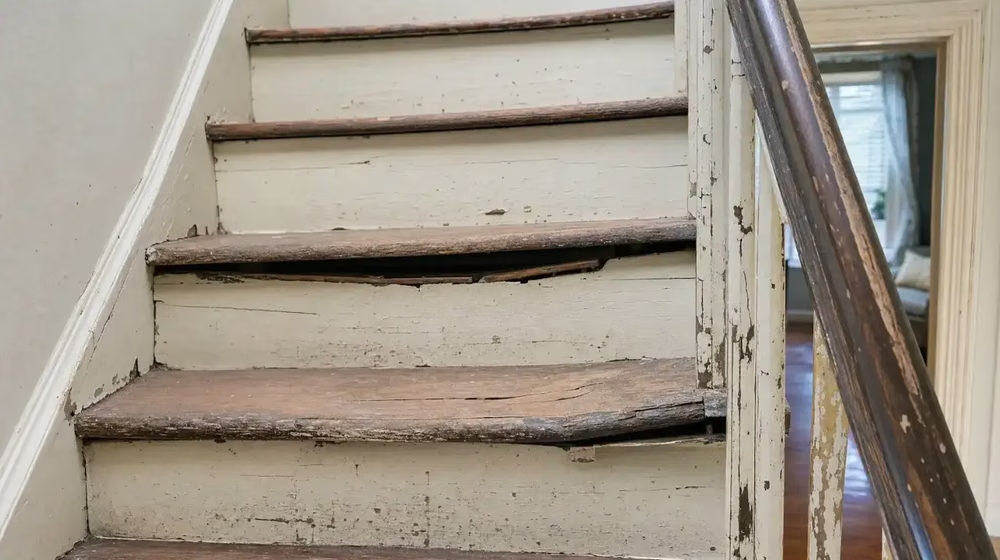
Your staircase is one of the most heavily used structures in your home — and one of the most overlooked. Homeowners in the Dallas–Fort Worth area tend to notice problems gradually: a creak that wasn’t there last year, a railing that wobbles a little more each month, treads that have lost their finish and feel rough underfoot. It’s easy to assume these are minor issues that a coat of stain or a tightened bolt will fix.
But some staircase problems run deeper. Patching the surface of a structurally compromised staircase is like painting over a crack in a load-bearing wall — it hides the symptom without solving the problem, and the issue will return. More importantly, a staircase that isn’t structurally sound is a fall risk, particularly for children and older adults who depend on railings and secure footing.
This guide is designed to help Dallas–Fort Worth homeowners understand the difference between a repair and a full remodel — and to recognize the specific signs that mean a cosmetic fix won’t be enough. Because the ‘not just repair’ distinction matters: it determines whether you need a handyman for an afternoon or a stair specialist for a week.
What Is the Difference Between a Stair Repair and a Full Remodel?
Before diagnosing your staircase, it helps to define what separates a repair from a remodel. The line is about scope and structural involvement.
A repair addresses a specific, isolated problem without changing the underlying structure. Tightening a loose spindle, filling a small crack in a tread with wood filler, re-gluing a riser that has separated slightly, or refinishing a worn wood surface — these are all repairs. They restore function without altering the staircase’s dimensions, load-bearing components, or design.
A remodel involves replacing or significantly modifying structural or code-relevant components. This includes work on the stringers (the angled side supports that carry the full load of the staircase), replacing multiple treads or risers, correcting riser height or tread depth to meet current IRC standards, rebuilding the railing system, or making layout changes such as removing a half-wall or adding open risers.
The key practical question: is the problem in the surface or in the structure? Surface problems — finish, aesthetics, isolated hardware — are repair territory. Problems in the load-bearing components or safety systems are remodel territory. The sections below will help you determine which category your staircase falls into.
What Are the Structural Warning Signs That Mean You Need a Remodel?
Structural damage is the clearest and most serious indicator that a remodel is required. No amount of surface-level repair will restore a staircase whose core components have failed.
Cracked or Damaged Stringers
The stringer is the structural backbone of the staircase — the angled board running along each side that supports every tread and riser. When a stringer cracks, splits, or shows signs of rot, the entire staircase loses structural integrity. You may notice this as a staircase that feels springy or unstable when walked on, even if individual treads look fine from above. Stringer damage almost always requires full or partial remodeling — it cannot be patched from the surface.
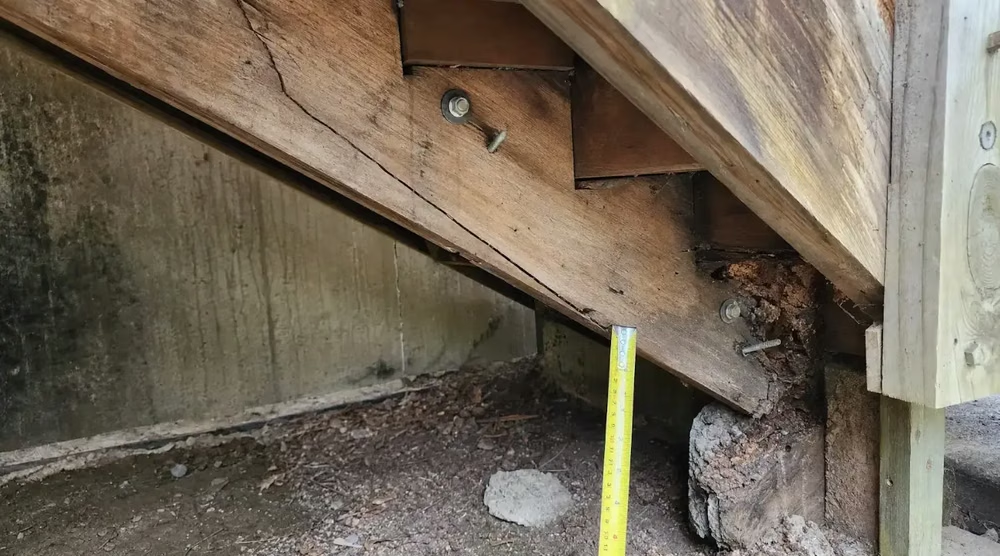
Bouncing, Flexing, or Swaying Steps
A solid staircase should feel rigid underfoot. If individual steps flex when you step on them, or if the staircase as a whole sways slightly, the underlying framing has weakened. This is often caused by fastener failure deep in the structure, deteriorated supporting lumber, or inadequate attachment to the floor system. Tightening surface hardware will not fix this.
Visible Cracks in Treads or Risers
Small surface cracks from wood movement are common and often cosmetic. However, deep or spreading cracks — particularly those that run with the grain across the full depth of a tread, or cracks in the risers at the point where they meet the stringer — indicate structural fatigue. These are high-load failure points. If the crack moves when you apply weight to the step, replacement is required.
Wood Rot, Soft Spots, or Water Damage
Rot is the one damage type that never stays contained. Once moisture penetrates wood at the structural level — the stringers, the substructure beneath the treads, or the framing at the base — it spreads. You may discover rot by pressing on the surface of a tread and feeling unexpected softness, or by noticing discoloration at the edges of risers that indicates prolonged moisture exposure. In DFW homes, this often appears at the base of staircases near exterior doors or in homes with HVAC condensation issues. Once rot reaches the structural members, a remodel is the only safe solution.
Pro tip: If you suspect rot, press the flat of your thumb firmly into the wood near the base of the stringer and along the underside of the bottom treads. Sound wood is hard and unyielding. Soft spots that compress under pressure indicate rot that has advanced into the structural fiber — not something surface refinishing will address.
Are Code Violations a Reason to Remodel?
Yes — and in Texas, the stakes are real. Many DFW-area homes, particularly those built before 2000, have staircases that don’t meet current International Residential Code (IRC) standards. A staircase that was code-compliant when built may be out of compliance today, and some non-compliant conditions create meaningful liability.
Under the IRC (which Texas municipalities including Dallas adopt with local amendments), key residential stair requirements include:
- Riser height: maximum 7¾ inches, with no more than ⅜ inch variation between risers in the same flight
- Tread depth: minimum 10 inches (11 inches if no nosing projection)
- Stairway width: minimum 36 inches clear
- Handrail height: 34 to 38 inches above the tread nosing
- Baluster spacing: no opening greater than 4 inches (prevents child entrapment)
- Handrail continuity: must run the full flight length and terminate into a newel post or wall
The baluster spacing requirement is one of the most commonly violated in older DFW homes. If you can fit a 4-inch ball through any gap between balusters, the railing does not meet code — and represents a genuine fall risk for small children. This is a remodel-level correction that requires rebuilding the baluster system, not just tightening what’s there.
Inconsistent riser heights are also a significant code issue. Many older staircases were built with risers that vary by more than the allowed ⅜ inch — often because the bottom riser was cut to accommodate carpet that was later removed. That variation disrupts a person’s natural climbing rhythm and is a leading cause of stair-related falls.
You can review the full IRC stair requirements at buildingcodetrainer.com. For Texas-specific handrail requirements, this Texas residential handrail code guide covers height, continuity, and graspability requirements for residential stairs statewide.
When Does Aesthetic Outdatedness Justify a Remodel?
Not every reason to remodel a staircase is structural. In DFW’s active real estate market, the staircase is one of the first things buyers see when they walk into a two-story home — and a dated staircase can undercut an otherwise updated home’s appeal.
The most common aesthetic remodeling scenarios include:
- Replacing carpeted stairs with hardwood or LVP treads (a top request in DFW real estate staging)
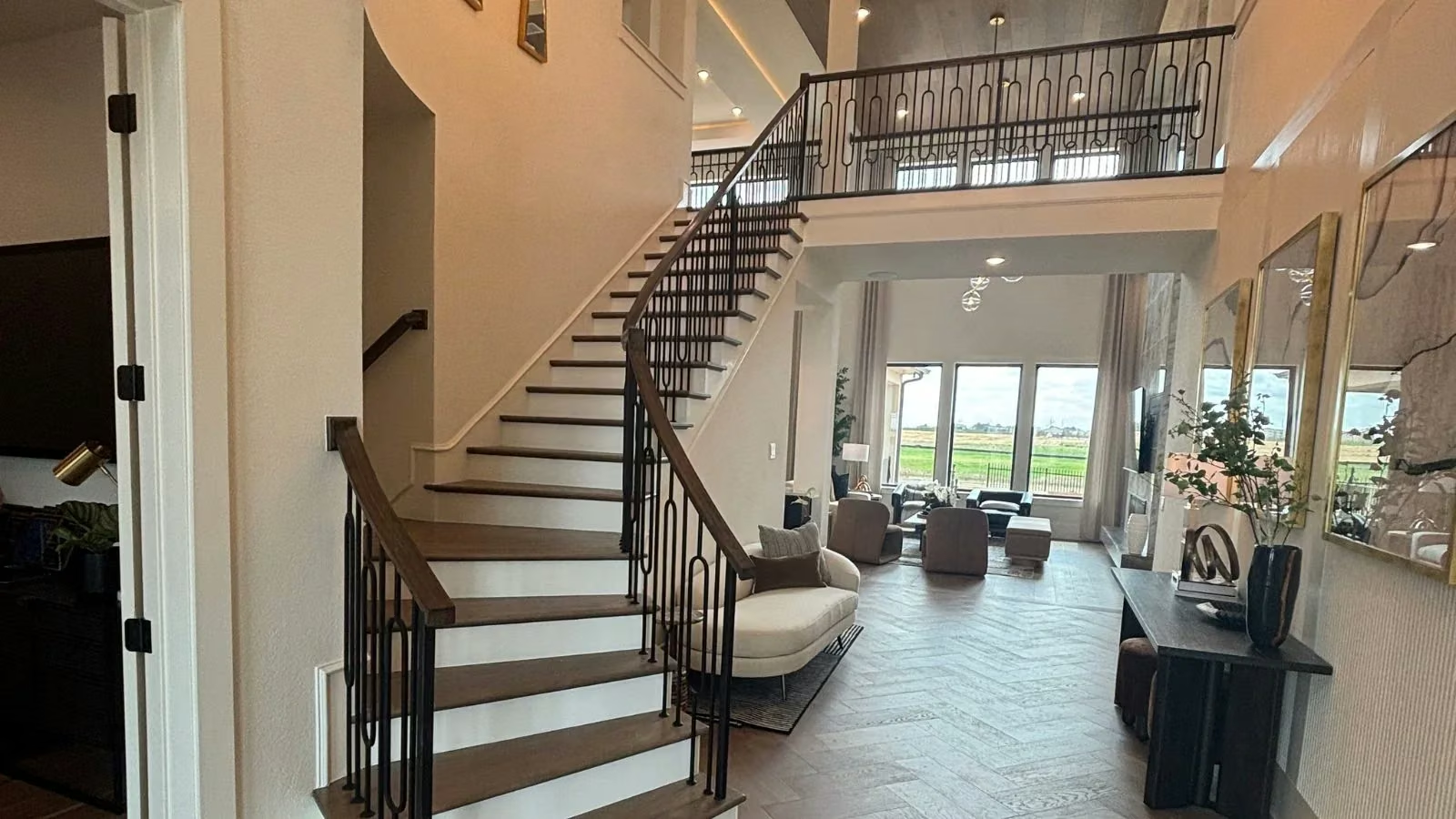
- Swapping outdated round pine balusters for wrought iron or cable railing systems
- Removing a closed half-wall to create an open, floating aesthetic
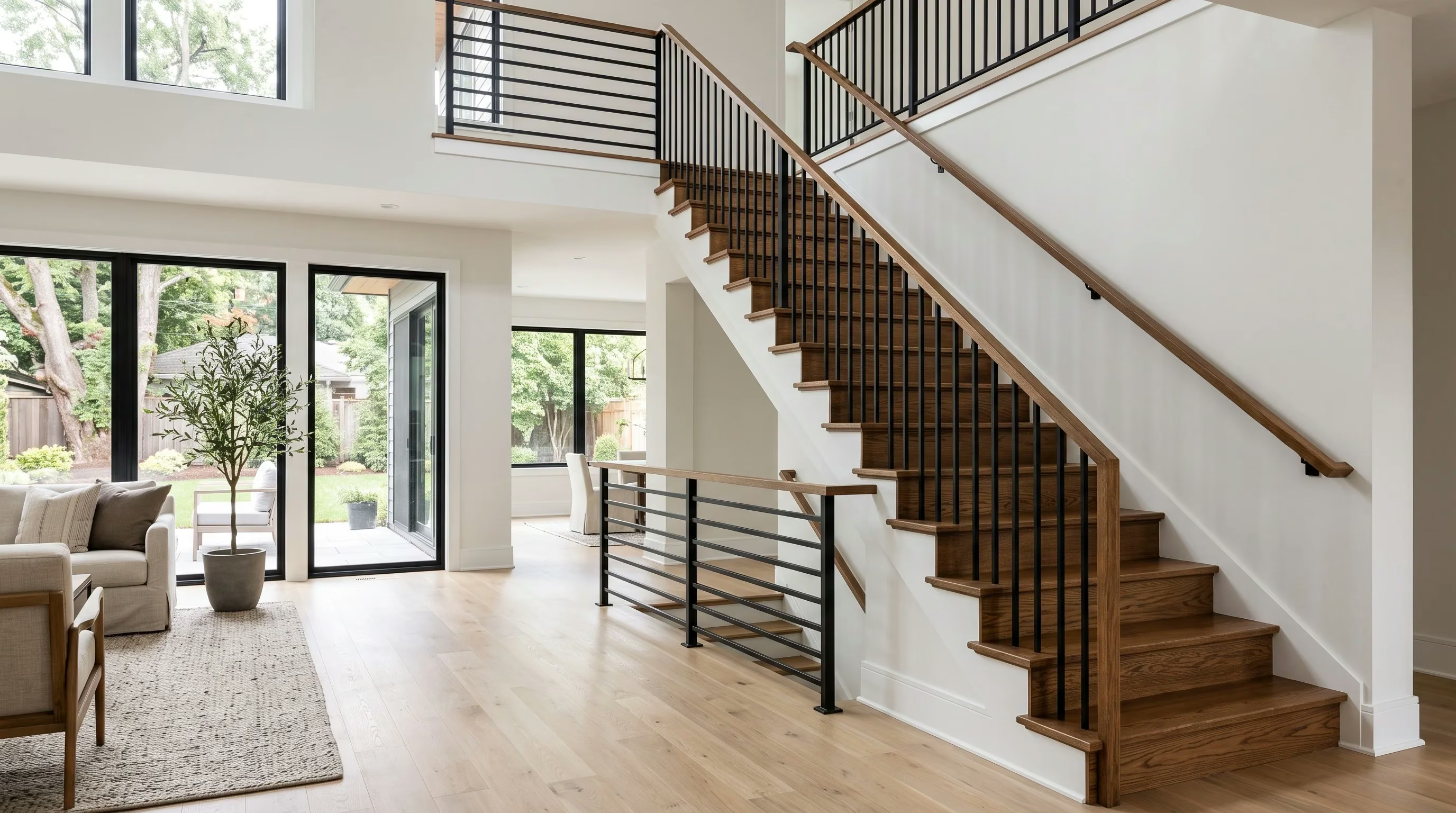
- Updating a dark stained oak staircase to a white-and-iron design that aligns with modern DFW home styles
Aesthetic remodels are entirely valid — but they’re worth flagging in one important way: if a staircase has deferred structural issues alongside an outdated look, addressing both at the same time is always more cost-effective than handling them separately. The framing is already exposed during an aesthetic remodel, making it the right time to address any structural concerns before the new finishes go on.
Design note: Iron baluster remodels are the single most requested staircase update in the Dallas–Fort Worth area. The combination of stained white oak treads, white painted risers, and wrought iron balusters has become the dominant DFW interior design standard and adds measurable resale value in the Metroplex’s competitive housing market.
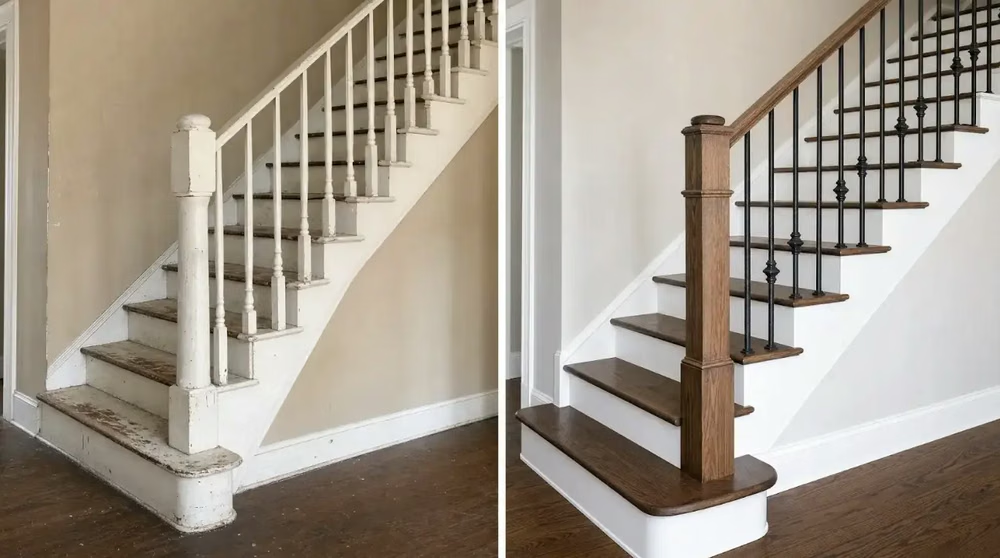
Repair vs. Remodel: A Decision Matrix for Dallas–Fort Worth Homeowners
Use this table to assess your situation. If you check any items in the ‘Remodel Required’ column, a professional inspection and full remodel plan is appropriate.
| REPAIR — Address It Now | REMODEL REQUIRED |
|---|---|
| One or two loose balusters | Stringer is cracked, soft, or visibly damaged |
| Surface creak from tread-riser gap (small) | Staircase flexes, sways, or bounces underfoot |
| Worn or faded tread finish | Wood rot in treads, risers, or stringer |
| Dated aesthetic (style update only) | Baluster spacing exceeds 4 inches (code violation) |
| Single loose handrail bracket | Riser heights vary more than ⅜ inch within the flight |
| Minor scuff or surface crack — cosmetic only | Handrail doesn’t run full length or doesn’t terminate properly |
| Carpet removal and tread refinish | Structural layout change (removing half-wall, open risers) |
| Replace single damaged tread (structure is sound) | Repeated repairs on same issue that keeps coming back |
What Does a Staircase Remodel Actually Include?
Understanding the components of a remodel helps homeowners have better conversations with contractors and avoid scope creep surprises. A full staircase remodel from a specialist like FJR Stair & Door typically includes:
- Structural assessment: Inspecting the stringers, attachment points, and subfloor connection before any cosmetic work begins.
- Tread and riser replacement: Removing existing materials and installing new treads — most commonly solid white oak in DFW — with properly sized risers to meet IRC specifications.
- Railing system rebuild: Replacing balusters, newel posts, and handrail with new materials, ensuring correct spacing and height per code.
- Optional half-wall removal: Opening a closed stairwell by removing the knewall and replacing it with a railing system — one of the most dramatic transformations in DFW home renovation.
- Finish and hardware: Staining, painting, or sealing treads and risers; installing newel post caps and any under-stair storage if desired.
A cosmetic refresh — new tread finish, repainted risers, and railing hardware — can often be completed in 2 to 4 days. A full structural remodel with custom materials typically runs 5 to 10 business days in the Dallas–Fort Worth area.
TL;DR — When Your Staircase Needs More Than a Repair
Here’s the short version for DFW homeowners:
- Repairs are for isolated, surface-level problems: a single loose baluster, a worn finish, a minor creak.
- Remodels are required when: the stringer is damaged, the stairs flex underfoot, rot is present, code violations exist, or the same repair keeps failing.
- In the DFW area, the baluster spacing rule (no gap over 4 inches) and riser consistency requirement (no more than ⅜ inch variation) are the two most common code violations in pre-2000 homes.
- An aesthetic remodel is a good time to address structural issues simultaneously — it’s cheaper than two separate projects.
- When in doubt, call FJR Stair & Door for a free consultation — we’ll tell you exactly what’s a repair and what’s a remodel, without steering you toward unnecessary work.
Related Guides
- Stair Remodeling Services in Dallas–Fort Worth
- Stair Railing Repair vs. Replace: A Homeowner’s Guide
- FJR Stair & Door Blog: DFW Home Improvement Resources
Ready to Find Out What Your Staircase Really Needs?
The difference between a repair and a remodel isn’t always obvious from the surface — and guessing wrong is expensive. If your staircase has been patched more than once for the same problem, feels unstable underfoot, shows signs of water damage, or has railings that don’t meet today’s code standards, it’s time for a professional assessment.
FJR Stair & Door serves the Dallas–Fort Worth Metroplex with full staircase remodeling, railing system upgrades, and structural stair repair. Our team will walk through your staircase, give you an honest assessment of what’s a repair and what’s a remodel, and provide a clear quote — no sales pressure, no scope inflation.
Contact FJR Stair & Door for a free consultation today: fjrstairanddoor.com
About FJR Stair & Door | FJR Stair & Door is a Dallas–Fort Worth staircase remodeling and door specialist serving homeowners across Cuyahoga County and the greater DFW Metroplex. From iron baluster upgrades to full structural staircase rebuilds, FJR brings craftsmanship and code compliance to every project.
Frequently Asked Questions
Can I replace just the railing without remodeling the whole staircase?+
Yes — a railing replacement is a repair-level project if the underlying structure is sound and the existing tread and riser dimensions are already code-compliant. However, if the baluster spacing violates current code, or the post anchoring has failed at the structural level, bringing the railing up to code may expand the scope. A professional inspection can confirm whether a railing swap stands alone or triggers additional work.
How do I know if my stringer is damaged?+
The clearest signs of stringer damage are a staircase that bounces or flexes underfoot, visible cracks running along the side supports, or steps that feel uneven in different sections of the flight. You can also press the flat of your hand firmly against the underside of the stringer (if accessible from a closet or basement) to feel for soft spots. A stringer assessment is part of every FJR Stair & Door inspection.
Do I need a permit for a staircase remodel in the Dallas-Fort Worth area?+
Yes for structural work. Any change to a staircase that involves the stringers, modifies riser height or tread depth, or alters the railing structure typically requires a building permit in DFW municipalities. Cosmetic-only work — refinishing treads, repainting risers, replacing baluster hardware without structural changes — generally does not. FJR Stair & Door handles the permit process for all structural remodel projects.
Is it cheaper to repair or remodel a staircase?+
Repairs cost less upfront, but repeatedly patching a compromised staircase accumulates cost quickly — and at some point, each patch job reaches diminishing returns. A full remodel is almost always the better long-term investment when structural damage, code violations, or recurring failures are present. The decision matrix above provides a practical framework for making this call.
How long does a staircase remodel take in DFW?+
Most residential staircase remodels in the Dallas–Fort Worth area take 3 to 7 business days depending on scope. A railing-only update is typically 1 to 2 days. A full structural rebuild with custom oak treads, iron balusters, and half-wall removal runs 5 to 10 business days. FJR Stair & Door provides a specific timeline during the free consultation.
Related content
More resources for DFW homeowners
Get a Free Remodel Estimate
Free in-home estimate. Veteran-owned. Serving all of Dallas–Fort Worth.