
How Long Does a Staircase Remodel Take?
A staircase remodel runs 3–5 days for a cosmetic update, 1–2 weeks for an involved remodel, and 3–6 weeks for a full custom replacement. Here are the real Dallas–Fort Worth numbers.
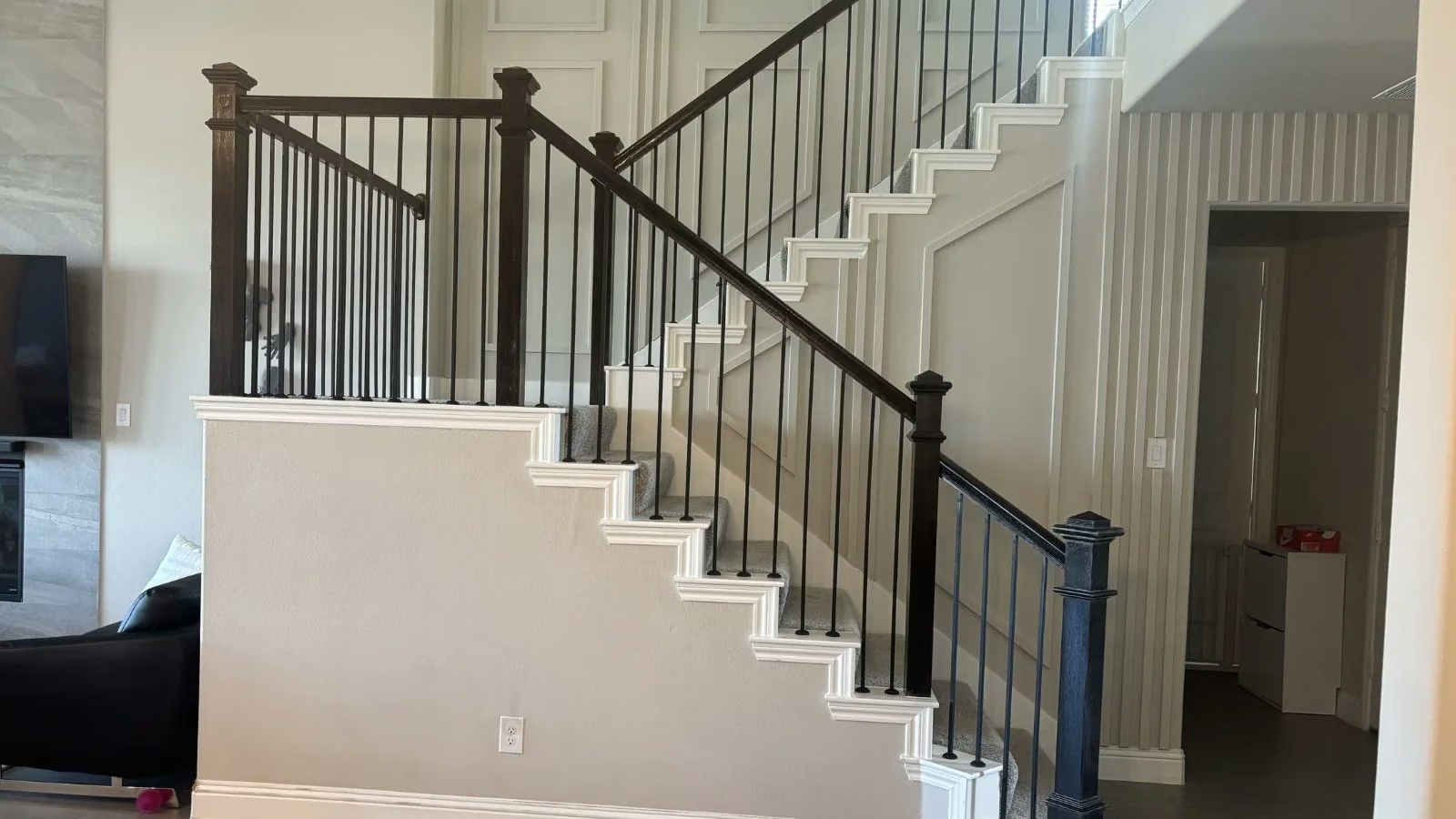
Quick Answer: A staircase remodel typically takes 3 to 5 days for a cosmetic update, 1 to 2 weeks for an involved remodel with new treads and railings, and 3 to 6 weeks for a full custom replacement like floating or spiral stairs. The exact how long staircase remodel timeline depends on scope, material lead times, and whether structural repairs or permits are required. Dallas–Fort Worth homeowners should schedule a professional evaluation first — it’s the best way to get an accurate, project-specific schedule.
Key Takeaways
- Full staircase remodel timelines vary widely depending on scope, from partial cosmetic updates to full floating-stair installations.
- Railing and baluster renovation timelines depend on whether the work is refinishing or full replacement.
- FJR Stair & Door has completed hundreds of staircase renovations across the Dallas–Fort Worth area.
- Staircase projects involve deciding between complete replacement or renovation of existing structural components.
What Is the Full Timeline for a Staircase Remodel?
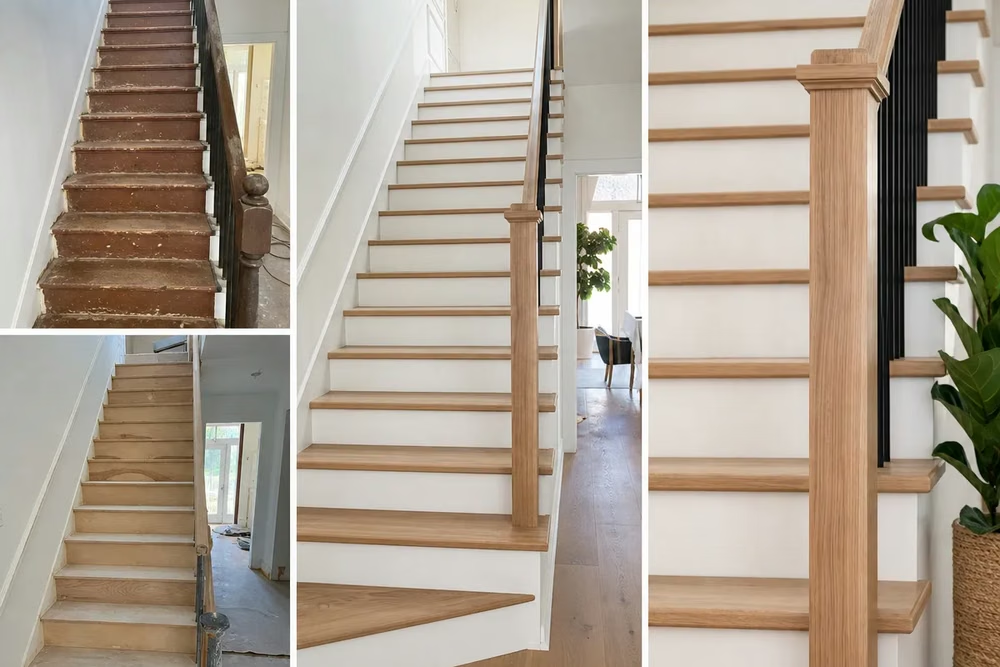
A full staircase remodel timeline depends entirely on the scope of work, ranging from cosmetic updates that take a few days to complete structural replacements requiring several weeks. The project scope determines not only the duration but also whether permits and inspections become necessary. Homeowners in North Texas should plan for a timeline that reflects the complexity of their chosen upgrade.
How Long Does a Cosmetic Staircase Remodel Take?
A cosmetic update — refinishing treads, painting risers, and replacing spindles — typically takes 3 to 5 days on-site. This scope avoids structural work and focuses on surface-level improvements. Clients can expect minimal disruption, with the staircase remaining usable during portions of the work.
What Is the Timeline for a More Involved Remodel?
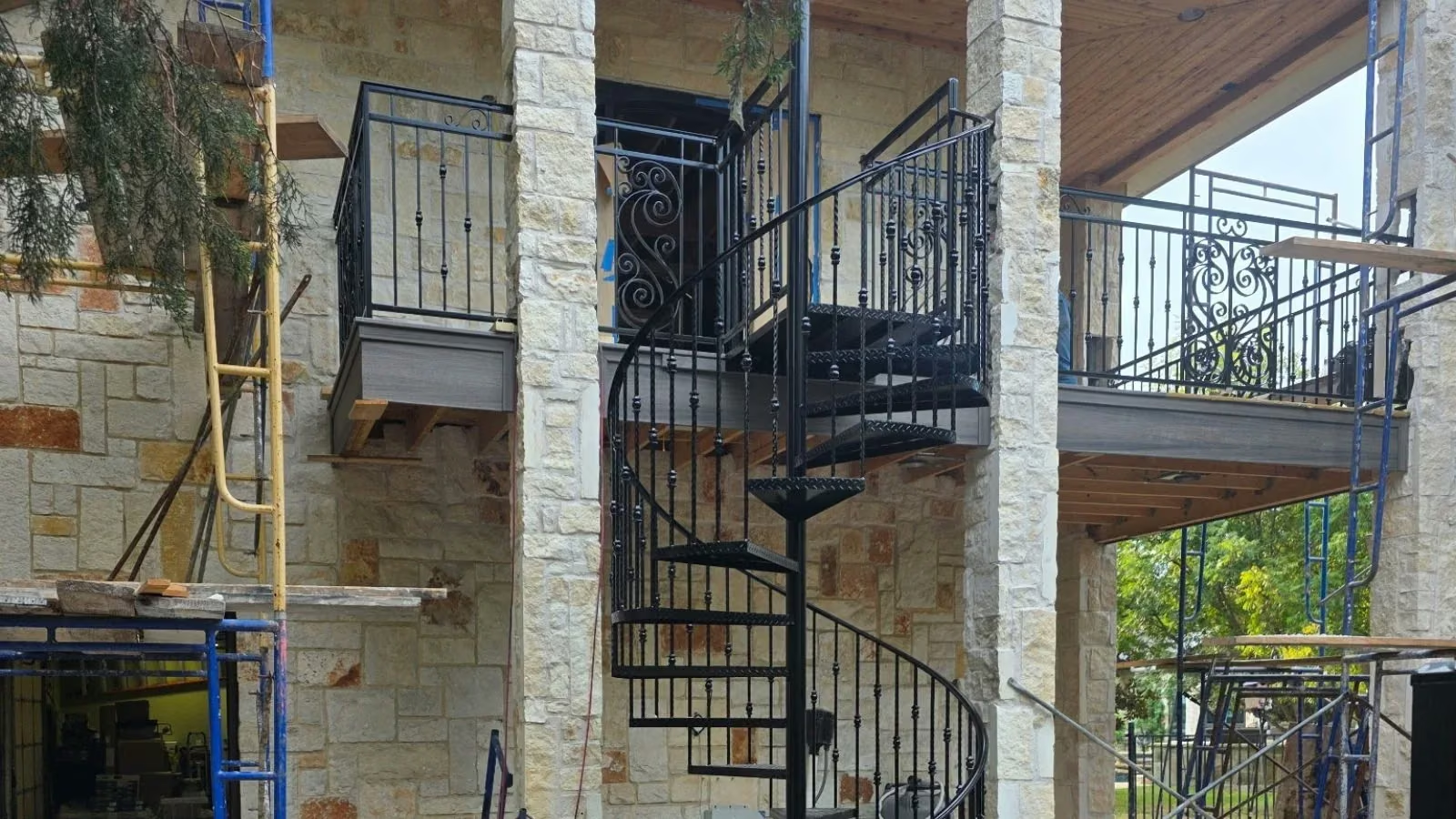
A remodel involving custom wood treads, decorative metalwork, and a new handrail requires 1 to 2 weeks from start to finish, drawing on ideas like spiral staircase remodeling options. This scope includes removing existing components, fabricating custom parts, and installing them with precision. The added time reflects the craftsmanship needed for mixed-material designs.
How Long Does a Full Custom Staircase Replacement Take?
A full custom staircase replacement — including floating stairs or spiral designs — typically requires 3 to 6 weeks from initial design consultation to final installation. This timeline accounts for structural engineering, material procurement, fabrication, and on-site assembly. Retrofitting a staircase into an existing home adds a significant amount of time compared to new construction. Contractors must work around existing framing on custom floating stair projects and finishes.
| Scope of Work | Typical Timeline | Key Activities |
|---|---|---|
| Cosmetic update | 3–5 days | Refinish treads, replace spindles, paint |
| Involved remodel | 1–2 weeks | Custom treads, new handrail, metalwork |
| Full replacement | 3–6 weeks | Design, fabrication, structural installation |
The how long staircase remodel question has no single answer. The timeline expands with each layer of customization and structural change. A professional evaluation from a stair contractor provides the most accurate schedule for a specific home.
What Prerequisites Do You Need Before Starting?
A successful staircase remodel requires several upfront steps before any construction begins. Skipping these prerequisites leads to delays, budget overruns, and unsatisfactory results. Homeowners in North Texas should address these four critical items first.
Do You Need a Professional Evaluation?
A professional evaluation determines whether the existing staircase frame is worth remodeling or if full replacement is the smarter investment. An experienced contractor inspects the structure, checks for hidden damage, and assesses the load-bearing capacity, following a process similar to a structured five-step remodeling framework. This single step prevents costly mistakes — remodeling a compromised frame wastes money and creates safety hazards. FJR Stair & Door recommends this evaluation before any material selection or demolition begins.
What Permits and Inspections Are Required?
The scope of work determines whether permits and inspections are required. Cosmetic updates like painting or replacing balusters typically do not need permits. Structural changes — replacing treads, risers, or the entire frame — often require city approval and inspection, and must meet International Residential Code stair width requirements. North Texas municipalities enforce specific building codes, so confirming permit requirements early avoids work stoppages and fines. Following national stair safety guidelines throughout construction also helps ensure the finished staircase passes inspection on the first visit.
What Materials and Preparations Are Needed?
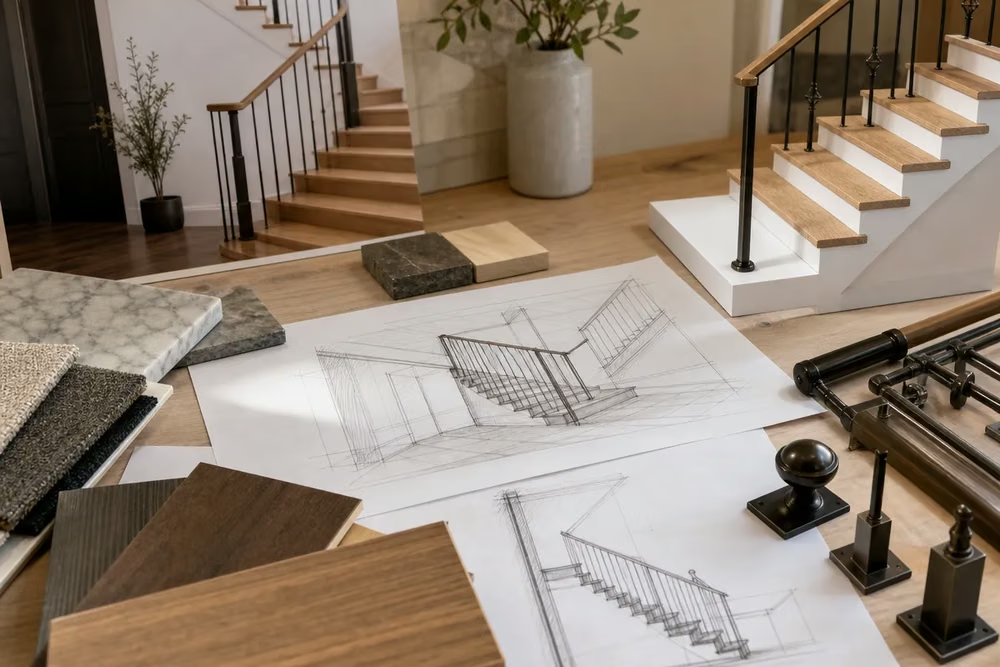
Selecting materials before the contractor orders fabrication prevents scheduling delays. Homeowners choose from wood, metal, glass, or mixed-material combinations. Each material has different lead times — custom iron work takes longer than stock wood components.
Clear the work area of furniture, rugs, and wall decor before installation begins. This protects belongings and gives contractors unobstructed access. A clean workspace reduces installation time and prevents accidental damage to surrounding finishes.
| Prerequisite | Purpose | Timeline |
|---|---|---|
| Professional evaluation | Assess frame condition | 1–2 weeks before start |
| Permit verification | Confirm code compliance | 2–4 weeks before start |
| Material selection | Order fabrication | 3–6 weeks before start |
| Area preparation | Protect home and speed work | Day of installation |
📞 Ready to Get Started? Every staircase remodel timeline starts with a professional walkthrough. Explore FJR’s staircase remodeling services to schedule a free, no-obligation evaluation for your Dallas–Fort Worth home.
How Do You Plan the Design and Material Selection?
Planning a staircase remodel begins with a professional consultation. FJR Stair & Door measures the existing space and discusses the client’s vision during this initial meeting. This step establishes the project scope before any materials are ordered or fabrication begins. Skipping this phase leads to costly delays and mismatched expectations.
What Materials Affect the Timeline Most?
Material choice directly controls how long a staircase remodel takes. Solid wood requires longer lead times than pre-finished options because the material must acclimate to the home’s environment before installation. Custom metalwork or glass railing systems add 1 to 2 weeks to fabrication time on custom floating stair projects. Clients choosing these premium materials should expect a longer overall project duration.
For floating stair designs, the timeline extends further. The steel support structure must be engineered and fabricated before any treads can be installed. This sequential dependency means no work on visible components begins until the hidden framework is complete and approved.
How Do You Sequence Material Decisions?
- Select the railing system first — glass, cable, or rod railing each have different fabrication lead times and structural requirements.
- Choose tread and riser materials second — solid hardwood, pre-finished engineered wood, or metal treads each demand different installation methods.
- Finalize handrail and baluster details last — these decorative elements can be adjusted without affecting the core structural timeline.
Following this order prevents rework. A client who picks glass railings after the steel frame is built faces expensive modifications. Planning material selection in sequence keeps the project on schedule and within budget.
What Are the Step-by-Step Installation Stages?
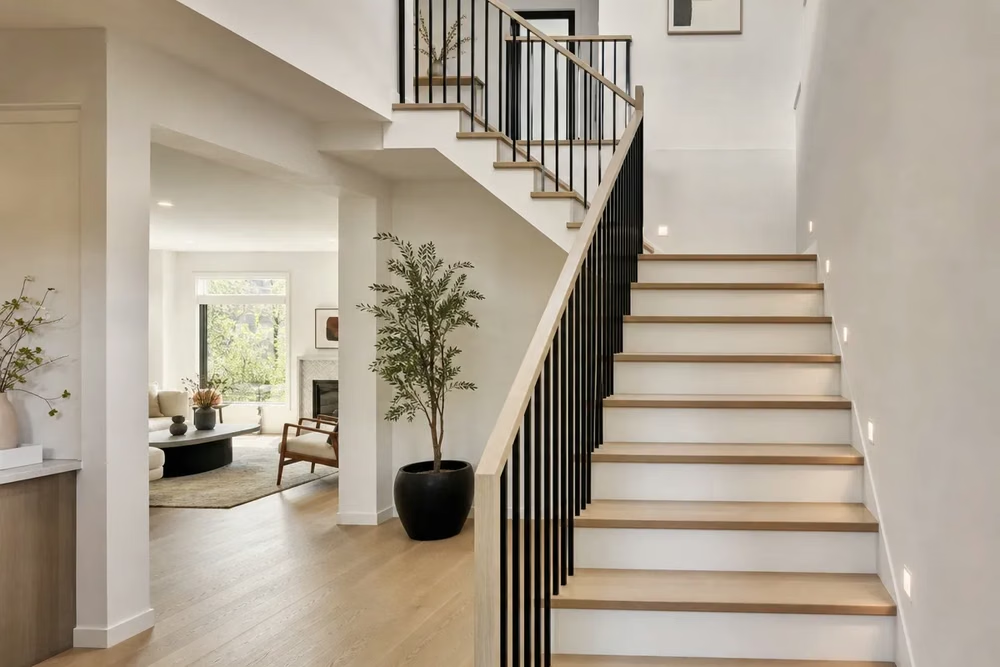
A full staircase remodel follows five distinct phases, each with a predictable timeline. Understanding these stages helps homeowners plan around the disruption and set realistic expectations for project completion. The total duration for a how long staircase remodel project depends on the scope, materials, and whether the existing structure requires repairs.
Stage 1: Demolition and Removal
The first stage involves stripping the staircase down to its structural frame. Removing old carpet, worn treads, risers, and existing railings typically takes 1 to 2 days. Contractors carefully extract each component to avoid damaging the underlying stringers or the surrounding walls and flooring.
Stage 2: Structural Repairs and Framing
Once the old materials are gone, the contractor inspects the frame for damage or settling. Structural repairs or framing adjustments take 2 to 4 days when the existing frame remains sound. This stage may involve reinforcing stringers, leveling uneven tread supports, or rebuilding sections of the staircase structure entirely.
Stage 3: Tread, Riser, and Stringer Installation
New treads, risers, and stringers go in during this phase. For a straight 20-step staircase, installation takes 2 to 3 days. Each piece must be precisely cut, fitted, and secured to ensure consistent rise and run measurements across every step.
Stage 4: Railing and Baluster Installation
Railing systems require careful alignment and secure anchoring. Handrail and baluster installation takes 1 to 2 days, with glass or cable systems demanding additional precision for clean sightlines and code-compliant spacing. If you’re unsure whether an existing railing needs full replacement or just repair, see our stair railing repair vs. replace guide for guidance.
Stage 5: Final Finishing
The last stage transforms raw materials into a finished feature. Staining, painting, or sealing takes 2 to 3 days, including drying time between coats. This step protects the wood or metal surfaces and determines the final appearance of the staircase.
How Long Does Demolition Alone Take for a Carpeted Staircase?
Removing carpet, padding, tack strips, and old treads from a 20-step staircase typically takes one full day. A second day may be needed if the contractor discovers adhesive residue or damaged sub-treads that require grinding or patching before new materials can be installed.
Can Railing Installation Overlap With Finishing Work?
Railing installation should complete before final finishing begins. Staining or sealing around newly installed balusters and handrails produces a cleaner result than attempting to touch up finish work after railings are in place. This sequencing adds 1 to 2 days to the overall timeline but prevents costly rework.
What Common Mistakes Can Delay Your Project?
A staircase remodel typically takes 1–3 weeks for a standard straight flight. Common missteps can stretch that timeline to 6 weeks or more. Skipping the professional evaluation often leads to discovering structural issues mid-project, adding weeks to the schedule. FJR Stair & Door recommends having a stair contractor assess whether the existing frame warrants remodeling or if a full replacement is the smarter investment before any work begins.
What Happens When Materials Arrive Late?
Ordering materials without confirmed lead times stalls installation when custom pieces show up behind schedule. Straight staircases cost less to source than L-shaped or U-shaped designs, but all custom components carry variable lead times. Clients should secure delivery dates in writing before demolition starts.
Why Do Permits Matter for a Stair Remodel?
Failing to secure permits before work begins can force a stop-work order and re-inspection delays. The scope of a staircase remodel — from cosmetic updates like painting to full structural replacements — determines whether permits and inspections are required. Municipal inspectors can halt a project mid-construction if proper documentation is missing.
How Does Finish Drying Impact the Schedule?
Underestimating drying time for finishes like stain or polyurethane creates smudges and costly rework. Upgrading from carpet to wood treads requires multiple drying cycles for each coat of sealant. Rushing this step forces contractors to sand down and reapply, adding 2–4 days per setback.
What Happens When a Contractor Lacks Stair Expertise?
Choosing a contractor without staircase-specific experience results in code violations and expensive fixes. Experienced staircase installers understand local building codes, structural loads, and material behavior. An unqualified crew may cut corners that fail inspection, requiring complete disassembly and reinstallation.
Key delays to watch for:
- Structural surprises found after demolition
- Custom material lead times exceeding 4 weeks
- Missed permit applications
- Incomplete finish curing between coats
- Non-specialist contractors misreading stair geometry
TL;DR — Staircase Remodel Timelines at a Glance
- Cosmetic updates (refinishing, new spindles): 3–5 days on-site
- Involved remodels (custom treads, new handrail, metalwork): 1–2 weeks
- Full custom replacements (floating or spiral stairs): 3–6 weeks from design to installation
- Permits are typically required for structural changes, not cosmetic updates
- Skipping a professional evaluation is the #1 cause of timeline overruns
- Next step: contact FJR Stair & Door for a free on-site evaluation and a personalized timeline.
Get a Free Staircase Remodel Quote
In closing, a staircase remodel demands patience and planning, but the investment in quality craftsmanship delivers lasting value to your home. Understanding the timeline — from initial design consultation through final installation — empowers you to make informed decisions and set realistic expectations. With proper coordination and experienced professionals guiding each phase, your custom staircase becomes not just a functional element, but a stunning architectural feature that enhances your living space for decades to come.
Ready to find out exactly how long your project will take? Contact FJR Stair & Door today for a free, no-obligation quote and a personalized timeline for your Dallas–Fort Worth home.
About FJR Stair & Door: FJR Stair & Door designs, builds, and installs custom staircases and iron doors for homeowners throughout the Dallas–Fort Worth, TX area, including Arlington, Fort Worth, Frisco, and Plano. From cosmetic refreshes to full custom replacements, our team handles every phase of a staircase remodel with transparent timelines and craftsmanship.
Frequently Asked Questions
How long does a cosmetic staircase remodel take?+
A cosmetic update — refinishing treads, painting risers, and replacing spindles — takes 3 to 5 days on-site. The staircase remains usable during portions of the work.
How long does a full custom staircase replacement take?+
A full custom staircase replacement, including floating stairs or spiral designs, requires 3 to 6 weeks from design consultation to final installation. Retrofitting into an existing home adds a significant amount of time compared to new construction.
Does the timeline vary based on remodel scope?+
Yes. Timelines expand with each layer of customization and structural change, from a few days for cosmetic work to several weeks for a full custom replacement.
Do I need a permit for a staircase remodel in Dallas–Fort Worth?+
Cosmetic updates like refinishing treads or painting typically do not require a permit. Structural changes, such as replacing the frame, stringers, or risers, usually need city approval and inspection, so confirm requirements with your local municipality before starting structural work.
What is the most common cause of staircase remodel delays?+
Skipping the professional evaluation is the leading cause of delays. Structural issues discovered mid-project, late custom material deliveries, and missed permit applications can each add days or weeks to the timeline.
Related content
More resources for DFW homeowners
 ServiceCustom Staircase Services
 Service AreaStairs & Doors in Fort Worth, TX
 GuideComplete Guide to Staircase Remodeling Design & Cost
 GuideCustom Floating Stairs: Design & Costs in Texas
 GuideStair Railing: Repair vs. Replace Guide
 GuideSpiral Staircase Remodeling Ideas & Costs
 TimingWhy Winter Is the Perfect Time to Upgrade Interior Stairs
Start Your Remodel
Free in-home estimate. Veteran-owned. Serving all of Dallas–Fort Worth.